
From the Head's Study - Prevention is better than the cure - wellbeing at Pocklington
We speak often about wellbeing in schools, and rightly so. The pressures young people experience today can feel unrelenting, and when those pressures tip into anxiety, sadness, or overwhelm, it is our responsibility to respond with clarity, compassion and care. But wellbeing is not just the work we do once something has gone wrong. True pastoral care is not a safety net, but the groundwork we cultivate long before a child is at risk of falling. We have been thinking deeply, not just how we support pupils in difficulty, but how we help them grow in ways that make difficulties less likely in the first place.
True pastoral care is not a safety net, but the groundwork we cultivate long before a child is at risk of falling.
Our current support structure is something we take great pride in. It begins with a simple but profound commitment: every pupil is known. Not in a superficial, name-on-a-register way, but in the deep, human sense. That we know what makes them tick, when they are thrilled about a recent achievement, and when they are feeling upset because something hasn’t gone as they would have wished. A clear structure of adults observing astutely enough and caring deeply enough to recognise patterns, notice changes, and intervene early. Parents often tell us that the most reassuring part of joining Pock is the knowledge that someone in school really knows their child, and that this knowledge shapes decisions, conversations, and the daily rhythms of school life.
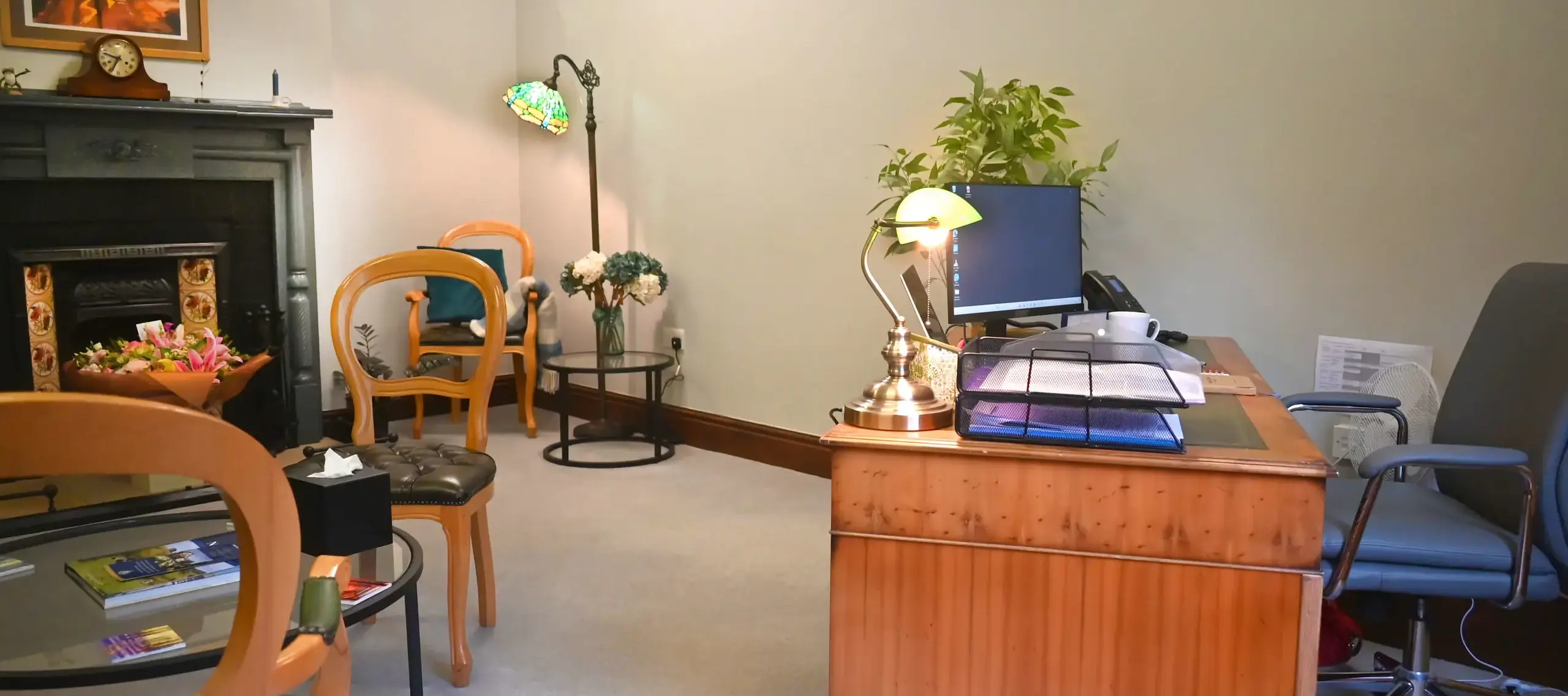
When challenges do arise, our systems are strong. The Wellbeing Service provides timely, professional support, our Head of Pupil Wellbeing works closely with families to ensure that strategies are connected and purposeful. Heads of Division, Housemasters, Tutors and teachers are trained to spot early signs of distress and to respond appropriately. The Wellbeing Hub offers accessible guidance to pupils, staff and parents alike. There is a network of care that functions best not because of its structures, but because of the people who bring those structures to life.
...if wellbeing were only about reaction, we would be missing something vital.

But if we stopped there, if wellbeing were only about reaction, we would be missing something vital. Prevention requires understanding how wellbeing grows, not simply how it is repaired. And this is where Richard Ryan and Edward Deci’s Self-Determination Theory (SDT) offers a compelling framework that is well worth consideration. Their research highlights three core psychological needs that underpin human motivation and flourishing: autonomy, competence and relatedness. When these needs are nurtured, young people thrive. Conversely, when they are neglected, they struggle.
Schools, including ours, can sometimes lean heavily on what SDT calls “controlled motivation”: rewards, praise, sanctions, behaviour systems. These have their place, of course, and pupils often respond well to expectations that are clear, fair and consistent. But these tools alone do not build intrinsic motivation. They do not cultivate the deep-rooted sense of purpose that anchors a young person through challenge and change. If we want to support wellbeing proactively, we must think deliberately about how a school environment can meet those three basic needs. We believe that Pocklington meets those needs in spades. Let us consider aspects of the theory in turn and how those needs are already being met at Pock.
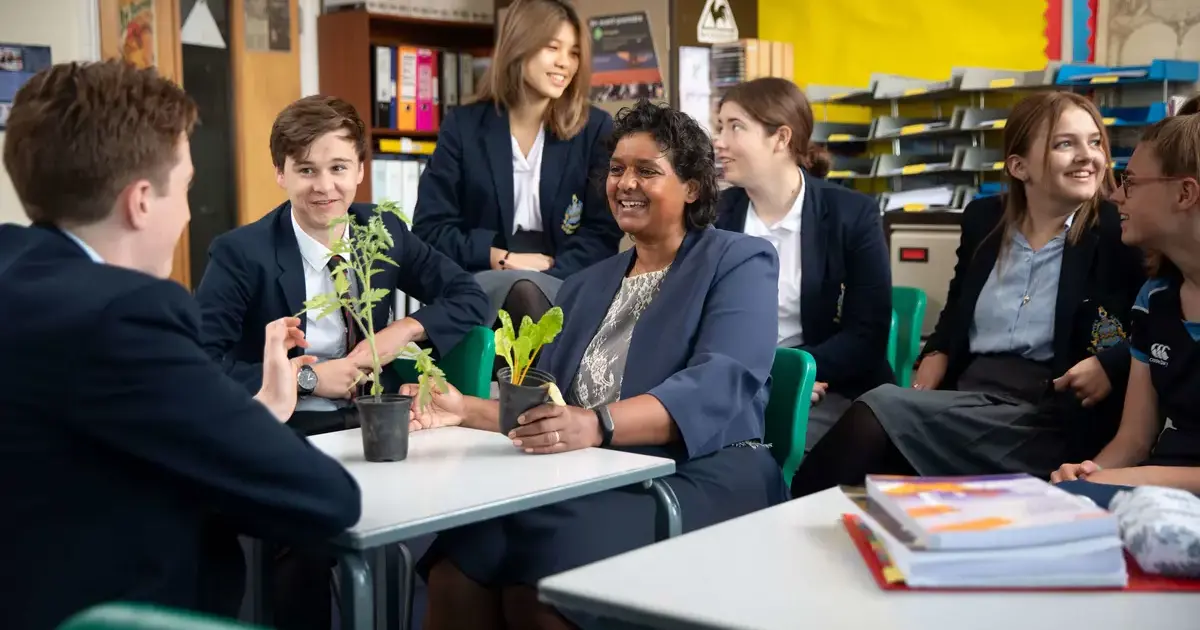
Autonomy, in this context, is not the same as freedom without boundaries. It is the sense of agency: the feeling that your choices matter, that your actions carry meaning, that you have ownership over your learning and your life. We encourage this through attitudes and structures that invite pupils to take increasing responsibility for themselves through independent study expectations, through co-curricular opportunities that allow them to choose, lead and shape their own experiences, and through Sixth Form partnerships where pupils work alongside staff to design events, initiatives and programmes as well as participating in things that make a difference to the broader community, such as our Community Action Programme. In our integrated boarding programme, autonomy is built through the lived experiences of shared decision-making, weekend activities, and, as pupils grow older, experiences such as our university flat, our Adventure Ready programme, that teach independence in a supported environment. What emerges is not the autonomy of entitlement, but the autonomy of confidence. The belief that “I can make decisions, and I can make them well.”
What emerges is not the autonomy of entitlement, but the autonomy of confidence. The belief that “I can make decisions, and I can make them well.”
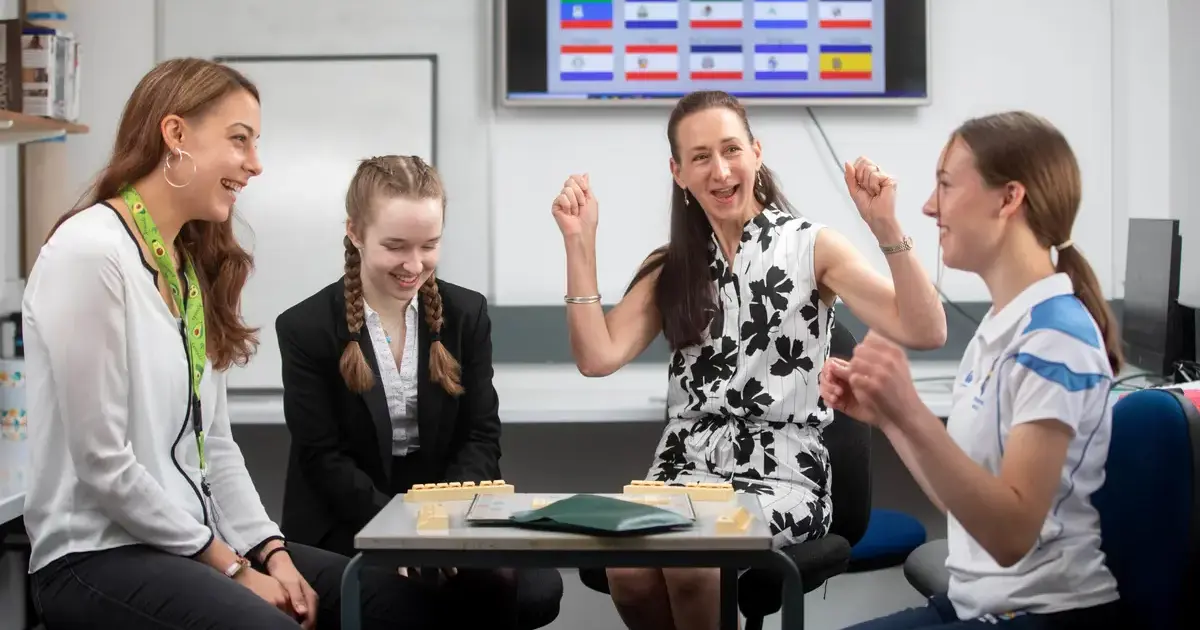
Competence grows in the space between challenge and success. It is not the warm glow of easy praise but the deeper satisfaction of real progress. At Pocklington, we aim to strike this balance carefully. We encourage pupils to stretch themselves, not for the sake of difficulty but for the sake of discovery. They learn to realise what they can achieve when they try, adjust, and try again. Our approach to study skills, resilience and feedback emphasises that improvement is a process, not an event. A one-off day focusing on any of these issues does not achieve the long-term change and habit forming we aim for, so we adopt a subtler approach where it is built into our daily activities through our Tutor programme and academic lessons. And as our offering can be bespoke to the individual, pupils have multiple routes to finding the passions and strengths that will unlock that sense of capability. When competence grows, motivation becomes self-sustaining.
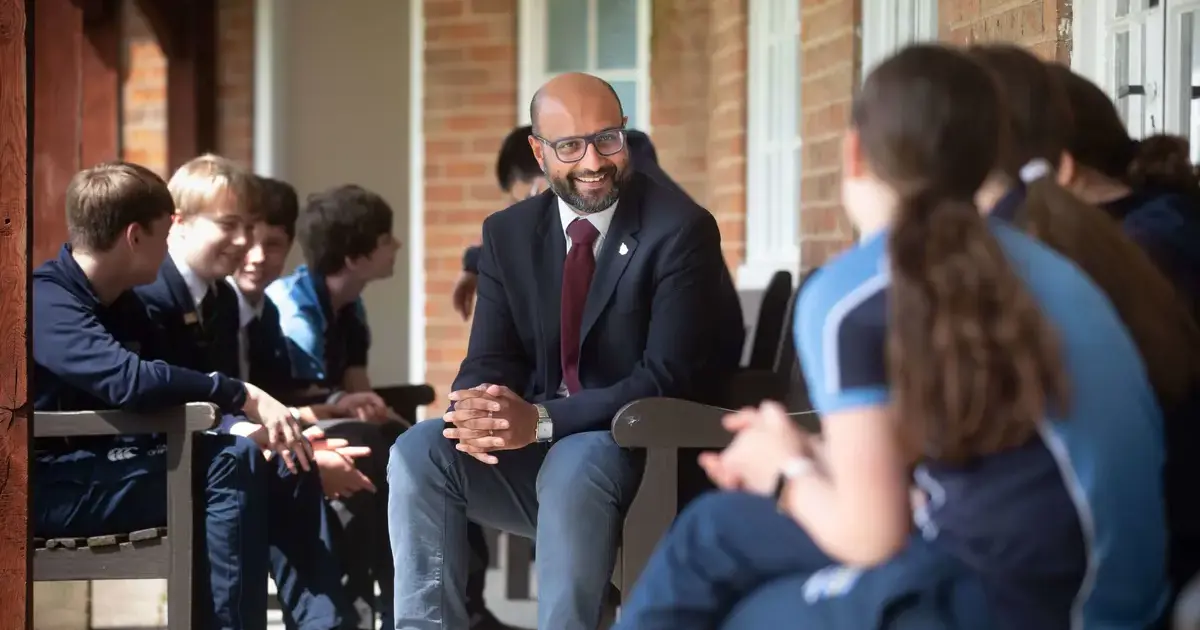
Relatedness, perhaps the most fundamental of the three, is the sense of belonging. The feeling of being seen, valued and connected. This is where Pocklington’s ethos shines most clearly. The relationships that develop between pupils and staff are genuine and lasting; the connections within our boarding community create strong networks of friendship and support; and the rhythm of school life encourages collaboration, participation and shared purpose. Belonging is not simply an emotional comfort; it is a psychological imperative. When pupils feel rooted in their community, they take healthier risks, behave more kindly, and cope more effectively with setbacks.
When pupils feel rooted in their community, they take healthier risks, behave more kindly, and cope more effectively with setbacks.
All of this points to a simple truth when we stop and reflect: wellbeing is not built through interventions. It is built in classrooms, corridors, tutor rooms, boarding houses, playing fields, rehearsal rooms; in conversations with teachers, in shared victories and inevitable disappointments, in the culture and climate of everyday school life.
If we want young people to flourish, we must give them the structures that support them and the conditions that empower them. Wellbeing is too important to leave to chance, and too precious to rely only on crisis response. When we get the right things right, wellbeing becomes not a separate strategy, but the natural outcome of an education that cares as much about who each child becomes as about what they achieve.

When we get the right things right, wellbeing becomes not a separate strategy, but the natural outcome of an education that cares as much about who each child becomes as about what they achieve.
Discover more at
Pocklington