Pocklington School Pupils Champion the Greene King Tub Campaign
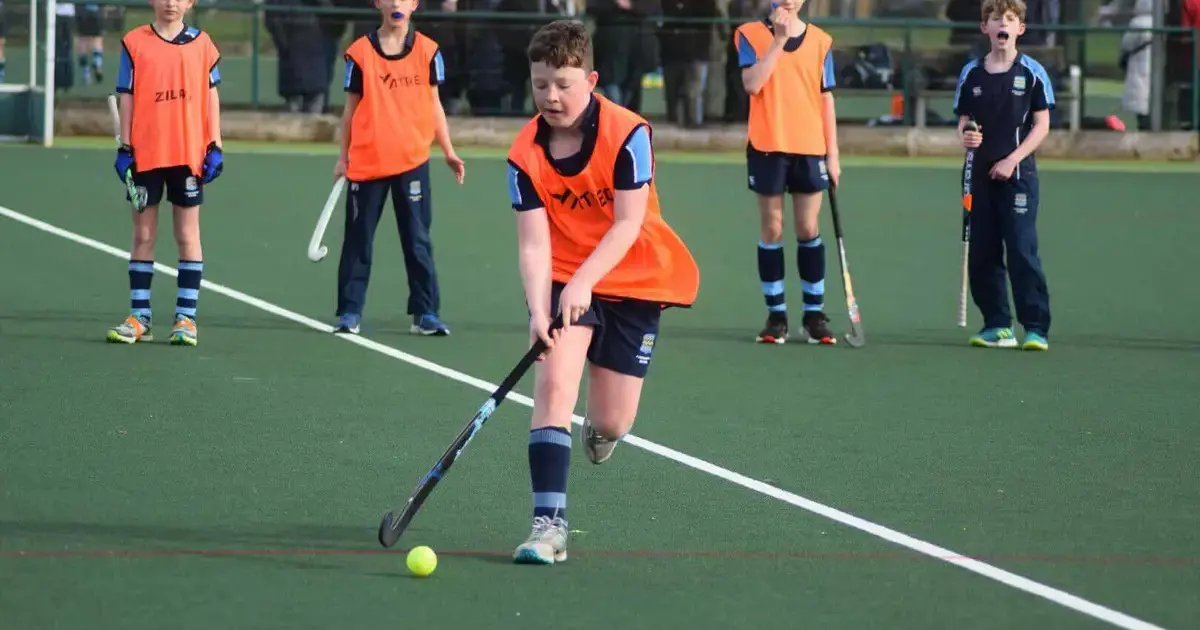
Pupils, families and staff came together for a lively morning of sport at Pocklington School’s annual Community Sports Day.
Held on Saturday 28 February 2026, the event celebrated participation, teamwork and house spirit across the school community.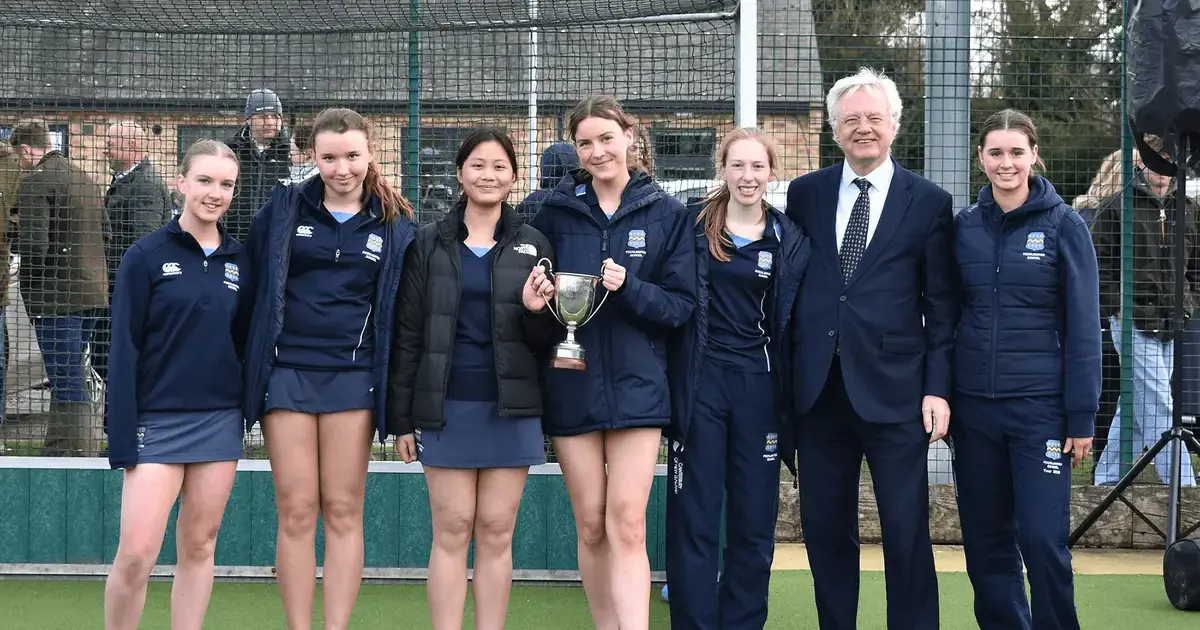
Pupils from Lower, Middle and Upper School competed in boys’ hockey and girls’ netball matches, representing the school’s four houses: Dolman, Gruggen, Hutton and Wilberforce. The morning’s programme included competitive fixtures followed by finals and an awards presentation by local MP The Rt Hon Sir David Davis MP.
Throughout the morning, pupils showed determination and strong sportsmanship as they competed for their houses while cheering on teammates between matches. Families and supporters gathered around the astro pitches and courts to watch the action and support the players.
Sir David Davis joined the school community to present trophies and individual awards following the final matches.
"It was a pleasure to present the awards at Pocklington School's Community Sports Day. The sportsmanship and ability on display were truly impressive and a real testament to the hard work of the students, staff and organisers who made the day such a success.
It was also a delight to see the engagement between the school and the wider Pocklington Community which is undoubtedly a benefit to both."
SIR DAVID DAVIS MP
Head of the Pocklington School Foundation, Becky Lovelock, said the event was a highlight in the school calendar and an important opportunity to bring the whole community together.
“It was wonderful to see so many pupils, families and members of our wider community come together for this year’s Community Sports Day. What was once a traditional House Sports event has grown into something that truly reflects the spirit of Pocklington School.”
Alongside the sporting action, the wider school community enjoyed refreshments organised by the Friends of Pocklington School, including hot food and drinks, while pupil DJs provided music throughout the morning and helped create a lively and supportive atmosphere around the pitches.
The event reflects Pocklington School’s commitment to encouraging participation and personal development through sport, where pupils are supported to develop confidence, teamwork and resilience alongside their academic studies.
The event forms part of a busy sporting calendar at the school, with pupils regularly taking part in fixtures, tournaments and competitions throughout the year.